Your 2026 Electric Bike Buying Guide: What Really Matters
Michael Chang ·
Listen to this article~5 min
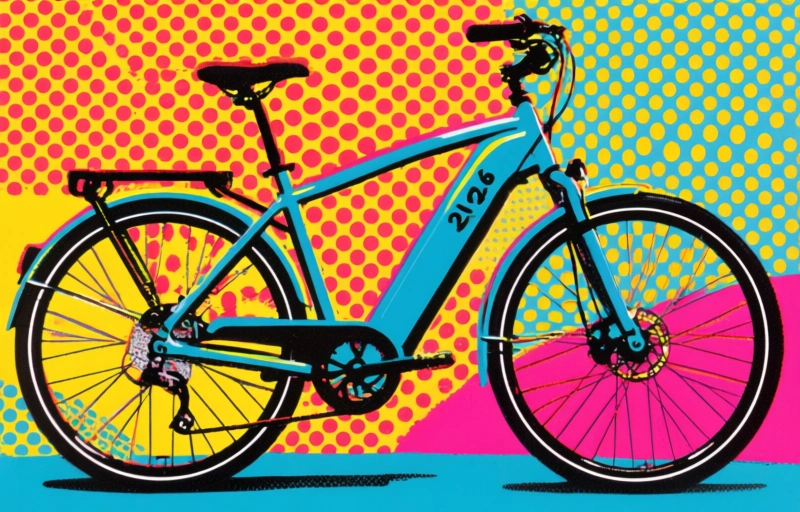
Feeling overwhelmed by 2026's e-bike options? This no-nonsense guide cuts through the specs to help you find the perfect electric bike for your daily life, commute, and budget.
So you're thinking about buying an electric bike in 2026. Good call. The market's exploded, and honestly, it can feel overwhelming. There are so many options, specs, and price points. Where do you even start?
Let's cut through the noise together. I'm not here to sell you on a specific brand. I want to help you find the right e-bike for your life. Because the best bike isn't the most expensive one—it's the one you'll actually use.
### First, Ask Yourself: How Will You Really Use It?
This is the most important question, and most people skip it. Are you commuting 10 miles each way on city streets? Planning weekend trail adventures? Just need something to zip to the grocery store without breaking a sweat?
Your answer dictates everything. A heavy cargo bike is overkill for quick errands. A sleek road e-bike won't handle gravel paths well. Be honest about your daily reality, not your fantasy self.
### Breaking Down the Key Specs (Without the Jargon)
Let's talk about what those numbers actually mean for your ride.
- **Motor Power:** Measured in watts. Think of it as your helping hand. A 250W motor is like a gentle push on flat ground. A 750W motor feels like a strong shove up a hill. For most city commuting, 350W to 500W is the sweet spot.
- **Battery Range:** This is the big one. Manufacturers love to advertise "up to 50 miles" on a charge. That's usually under perfect conditions: flat terrain, low assist, lightweight rider. In the real world, cut that number by 30-40%. If you need 20 miles, look for a bike rated for 35+.
- **Bike Weight:** E-bikes are heavy. A typical model weighs between 45 and 70 pounds. If you need to carry it up stairs or lift it onto a bus rack, this becomes a critical factor. Aluminum frames save weight but can cost more.
One more thing on batteries: look for a reputable brand like Samsung or LG. It's the heart of your bike, and a cheap battery is a safety hazard and will degrade quickly.
### Don't Forget the Human Touch: Test Rides & Local Shops
You can read a hundred reviews online, but nothing replaces actually riding the bike. How does it feel when you turn? Is the seat comfortable? Does the motor engage smoothly?
A good local bike shop is worth its weight in gold. They'll help with the right fit, and more importantly, they'll be there for maintenance and repairs. That support is crucial for a machine with this many electrical components.
As one seasoned rider told me, "Your relationship with your e-bike is a marathon, not a sprint. Buy from people who will be there at mile 500."
### The Budget Talk: What You Get for Your Money
You can find entry-level e-bikes starting around $800, but be cautious. The components, battery, and build quality at that price are often minimal. For a reliable, daily-use commuter bike, plan to invest between $1,500 and $3,000. You're paying for better brakes (hydraulic disc brakes are a game-changer), a quality battery, and a more durable frame.
High-performance or specialty bikes (cargo, high-speed, full-suspension mountain) easily run from $4,000 to $8,000. It's a significant investment, so prioritize the features that match your primary use case.
### The Final Checklist Before You Buy
Take a breath. You've done your research. Before you click "checkout" or sign the paperwork, run through this list:
- Warranty coverage: What's included and for how long? (Frame, motor, and battery warranties are key).
- Service availability: Are there certified repair shops near you?
- Local laws: Check your city and state regulations on e-bike classes, where you can ride, and if you need a helmet.
- Accessories budget: You'll likely need a helmet, a sturdy lock ($100+), lights, and maybe a rack or panniers. Factor in an extra $200-$300.
Choosing an e-bike is exciting. It opens up your city, gets you outside, and makes trips fun instead of a chore. Focus on how it fits into your life, trust your feel from a test ride, and invest in quality where it counts. Your future self, cruising effortlessly up that big hill, will thank you.