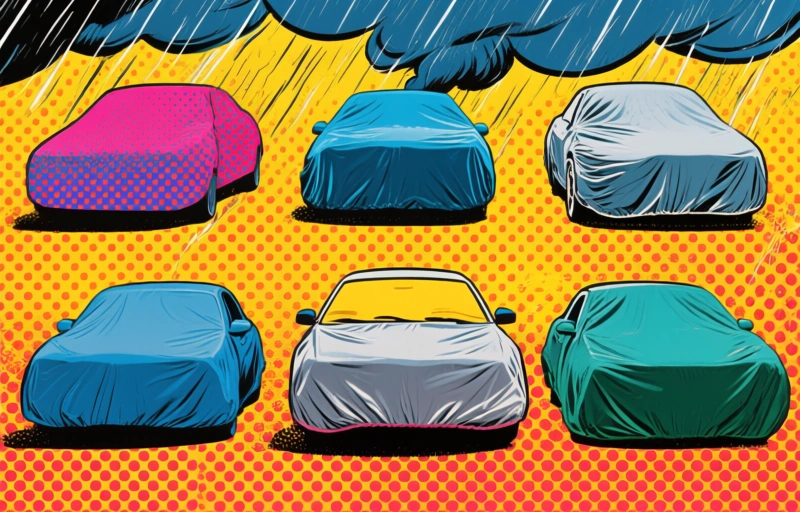
We tested six car covers in brutal Michigan storms. Only two survived. Here's what made them different and how to choose a cover that actually protects your car.
We all know the feeling. You drop serious cash on a car cover, thinking you're protecting your ride from the elements. But then a Michigan storm rolls in, and suddenly you're wondering if that cover is doing more harm than good.
I've been there myself. Last spring, I tested a bunch of car covers during some of the worst weather Michigan could throw at us. Heavy rain, gusty winds up to 60 miles per hour, and even a few hailstorms. Some covers didn't make it past the first downpour. But a few held up like champs.
### What We Tested
We put six different car covers through a brutal two-month trial. Here's what we looked for:
- Water resistance in heavy rain (over 2 inches per hour)
- Wind stability in gusts exceeding 50 miles per hour
- UV protection during sunny days that followed the storms
- Overall durability after repeated soaking and drying cycles
The covers ranged from budget-friendly options under $50 to premium ones costing over $200. Spoiler alert: price didn't always predict performance.
### The Survivors
Only two covers came out unscathed. The first was a multi-layer fabric cover with reinforced seams. It stayed put through everything, even when wind tried to lift it off. The second was a heavy-duty waterproof cover with elastic hems that hugged the car tightly.
> "The best cover isn't the most expensive one. It's the one that stays on when the wind howls and keeps water out when the rain pours."
These survivors shared a few key features. They had strong straps that secured under the car. They used breathable materials that prevented mold and mildew. And they fit snugly without being too tight.
### What Failed
The covers that failed had common weaknesses. Thin single-layer materials ripped easily. Loose-fitting covers flapped in the wind and let water in. Covers without proper tie-downs blew off completely.
One cover actually shredded after a single storm. Another turned into a soggy mess that took days to dry. A third left water stains on the car's paint because it trapped moisture underneath.
### How to Choose a Car Cover That Lasts
Based on what we learned, here's what you should look for:
- Multiple layers of fabric (at least three for serious protection)
- Reinforced stitching and double-stitched seams
- Elastic hems or drawstrings for a custom fit
- Integrated straps or buckles that attach under the car
- Breathable material that lets moisture escape
Also, measure your car before buying. A cover that's too big will sag and collect water. One that's too small won't cover the mirrors or bumpers.
### Final Thoughts
Don't assume a high price tag means high protection. The best cover for your car depends on your local weather and how you park. If you're in a windy area, prioritize straps and a snug fit. If rain is your main concern, go for waterproof but breathable fabric.
After this test, I switched to one of the survivors. It's been through three more storms since then, and my car stays dry and clean every time. That's peace of mind you can't put a price on.