Top Dermaplaning Tools for Smooth Skin in 2026
Michael Chang ·
Listen to this article~5 min

Discover the best dermaplaning tools for 2026 that safely remove peach fuzz and reveal smoother, brighter skin. Learn proper techniques and what features to look for in quality tools.
Let's talk about something that's been buzzing in skincare circles lately. Dermaplaning isn't just another trend—it's a game-changer for achieving that smooth, glowing complexion we all want. You know that fine peach fuzz everyone has? Removing it can make your skin look brighter and help your skincare products work better.
I remember when I first tried it. I was skeptical, honestly. But the results? They spoke for themselves. My foundation went on smoother, and my skin had this radiant quality I hadn't seen in years. It's not about vanity—it's about feeling confident in your own skin.
### What Exactly Is Dermaplaning?
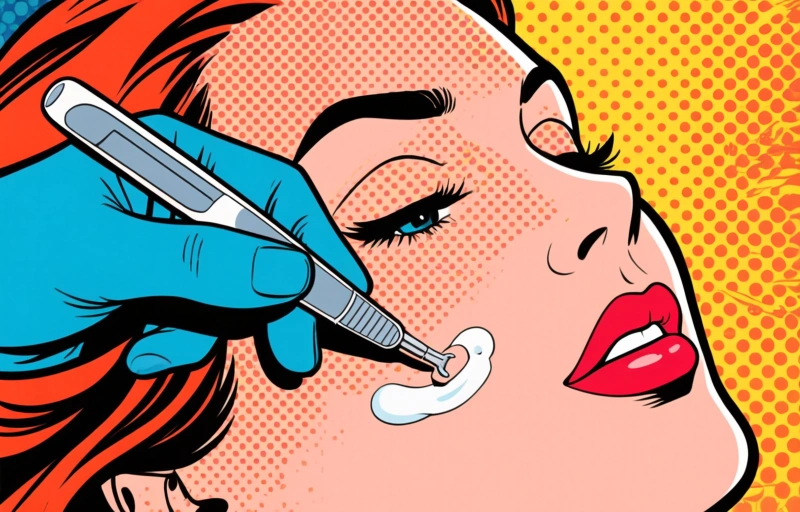
Dermaplaning is a simple exfoliation method that uses a sterile surgical scalpel to gently remove dead skin cells and vellus hair (that's the technical term for peach fuzz). Unlike shaving, which cuts hair at an angle, dermaplaning removes hair completely from the follicle. The result is skin that feels incredibly smooth and looks noticeably brighter.
One thing people often ask me: Does the hair grow back thicker? That's a common myth. The hair grows back exactly the same—it just feels different initially because you're feeling the blunt end of a newly cut hair rather than the tapered natural end.
### Choosing Your Tool: What Really Matters
When you're looking for a dermaplaning tool, there are a few key things to consider. Safety should be your top priority. Look for tools with protective guards and ergonomic handles that give you control. The angle of the blade matters too—most experts recommend holding it at a 45-degree angle to your skin.
Here's what I tell my friends when they ask for recommendations:
- **Disposable vs. reusable**: Disposable blades are great for hygiene but create more waste. Reusable tools with replaceable blades offer better value if you plan to make dermaplaning part of your regular routine.
- **Blade quality**: Surgical-grade stainless steel blades tend to give the smoothest results and last longer than cheaper alternatives.
- **Handle design**: Look for something that feels comfortable in your hand. If it's awkward to hold, you're more likely to slip or apply uneven pressure.
### The Right Technique Makes All the Difference
Even the best tool won't give you great results if you're using it wrong. Start with clean, dry skin—never dermaplane on damp or oily skin. Hold your skin taut with your free hand and use short, gentle strokes in the direction of hair growth. Don't press too hard! Let the blade do the work.
Most people find that doing this once every three to four weeks works well. Your skin needs time to recover between sessions. And always, always follow up with sunscreen—your newly exposed skin is more sensitive to UV damage.
### Beyond the Fuzz: Unexpected Benefits
What surprised me most wasn't just the hair removal. Dermaplaning actually helps with product absorption. When you remove that top layer of dead skin cells and peach fuzz, your serums and moisturizers can penetrate deeper. Think of it like preparing a canvas before painting—you get much better results when the surface is smooth.
It also helps with makeup application. Foundation glides on without catching on fine hairs, and you use less product because it distributes more evenly. Some people even notice their skin looks more youthful because light reflects off a smoother surface.
### A Word of Caution
Dermaplaning isn't for everyone. If you have active acne, rosacea, or very sensitive skin, you might want to skip it or consult with a dermatologist first. The same goes if you're using strong retinoids or chemical exfoliants—you could irritate your skin.
Start slow. Try a small area first to see how your skin reacts. And never, ever use a dull blade. A sharp blade is actually safer because it requires less pressure and gives you more control.
As one skincare expert I respect always says, "The goal isn't perfection—it's healthy, happy skin that feels good to live in." That's really what this is about. Finding tools and techniques that help you feel confident and comfortable in your own skin, one gentle stroke at a time.
Remember, consistency matters more than perfection. Regular, gentle care will give you better long-term results than aggressive occasional treatments. Your skin will thank you for taking the time to do it right.