Top Yoga Mats for 2026: Expert Picks for Every Practice
Michael Chang ·
Listen to this article~5 min
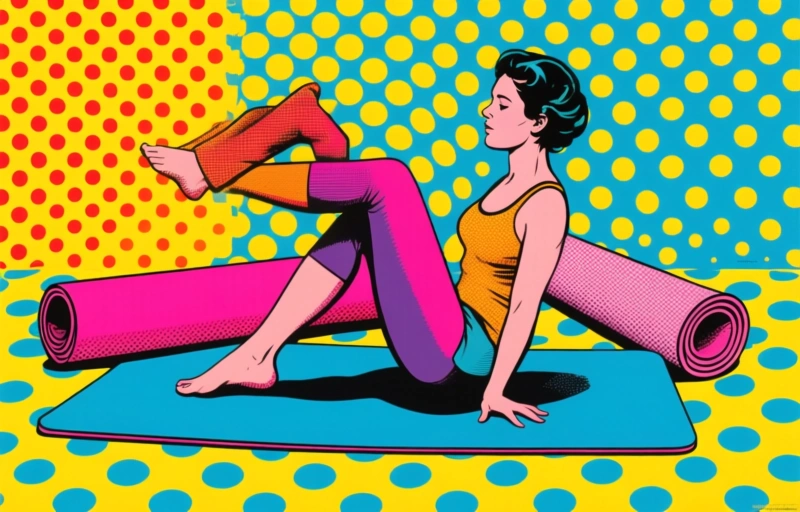
Struggling to find the perfect yoga mat? We break down the key features—traction, cushioning, material, and portability—and match top 2026 picks to different practices, from hot yoga to eco-conscious flows.
Hey there. So you're looking for a new yoga mat, huh? I get it. That old mat of yours has seen better days—maybe it's getting thin in spots, or it just doesn't grip like it used to. Choosing the right one can feel overwhelming with all the options out there. But don't worry, we've done the legwork for you. Let's break down what really matters in a mat and find the perfect one for your practice.
### What Makes a Great Yoga Mat?
It's not just about color or thickness. A great mat needs to support you, literally and figuratively. Think about your practice. Are you flowing through vinyasas and need serious grip to keep your hands from sliding in downward dog? Or maybe you're into restorative yoga and want extra cushioning for those longer holds. The best mat is the one that feels like an extension of your practice, not something you're constantly fighting against.
Here's what we consider when testing mats:
- **Traction and Grip:** This is non-negotiable. A slippery mat is a safety hazard and a focus-killer. Look for surfaces that provide stickiness even when you start to sweat.
- **Cushioning and Support:** Measured in millimeters, thickness matters. Standard mats are about 1/8 inch (3mm). If you have sensitive joints, you might prefer a thicker mat around 1/4 inch (6mm).
- **Durability and Material:** Will it flake apart after a few months? Natural rubber offers excellent grip but can be heavy. PVC is common and durable but not biodegradable. Newer options like TPE (thermoplastic elastomer) offer a good middle ground.
- **Portability:** If you're carrying it to the studio, weight and a carrying strap become important. A 5-pound mat feels very different from a 9-pound one after a 10-minute walk.
### Our Top Picks for Different Yogis
Finding one "best" mat is impossible because we're all different. Your neighbor's perfect mat might be your nightmare. So instead, let's match the mat to the practitioner.
**For the Hot Yoga Enthusiast:** You need a mat that laughs in the face of sweat. Look for microfiber top layers or specially textured rubber that actually gets grippier as you perspire. These mats are often around $80-$120. They're designed to absorb moisture, so you'll need to clean them regularly to prevent odor—a small price for not doing a slip-and-slide impression in warrior two.
**For the Traveling Yogi:** You're on the go, maybe rolling your mat out in hotel rooms or parks. You'll want something lightweight, usually under 5 pounds, and quick-drying. Many travel mats are thinner, around 1/16 inch (1.5mm), to save space. They might sacrifice some cushioning, but the trade-off for portability is worth it for many. Expect to pay between $40 and $70 for a good one.
**For the Eco-Conscious Practitioner:** If sustainability is key for you, there are fantastic options now. Mats made from natural tree rubber, jute, or recycled materials are widely available. They perform brilliantly and have a smaller environmental footprint. Just note that natural rubber mats can have a distinct smell when new and aren't always suitable for those with latex allergies. These typically range from $70 to $100.
**For the Beginner or Budget-Minded:** You don't need to spend $100 to start a solid practice. There are exceptional basic mats in the $20-$40 range that offer decent grip and cushioning. They're a great way to figure out what you like before investing in a premium model. Often made from PVC or TPE, they're easy to clean and durable enough for daily use.
### A Quick Word on Care and Longevity
A mat is an investment in your practice. To make it last, give it a little love. Wipe it down after each use with a gentle mat spray or a DIY mix of water and a few drops of tea tree oil. Avoid harsh chemicals. Let it air dry completely before rolling it up to prevent mildew. And if it starts to lose its grip, a good scrub with mild soap and water can often bring it back to life.
As one long-time instructor told me, "Your mat is your sacred space. It's where you meet yourself." It's true. The right mat doesn't just protect your knees; it supports your entire journey. So think about what you really need from that space. Is it unwavering stability? Gentle cushioning? A light companion for your adventures? Once you know that, the choice becomes much clearer. Your perfect mat is out there, ready to support you for countless practices to come.