Coca-Cola vs. Pepsi: Business Model Breakdown
Michael Chang ·
Listen to this article~4 min
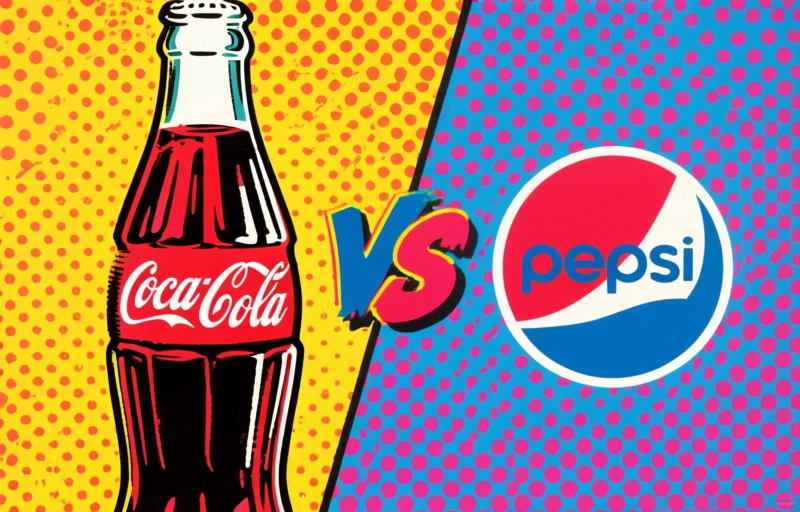
Coca-Cola and Pepsi aren't just rival sodas—they're built on completely different business models. Discover how Coke's beverage focus compares to Pepsi's snack-powered diversification.
You've probably had the taste test debate a hundred times. But when it comes to business, the real differences between Coca-Cola and Pepsi go way beyond cola flavor. They're two giants with completely different approaches to making money. Let's pull back the curtain and see how each company actually works.
It's fascinating, really. Both sell fizzy drinks, but their strategies for growth and profit are worlds apart. Understanding this isn't just business trivia—it shows how two companies can succeed by playing entirely different games.
### The Core Focus: Beverages vs. Food & Snacks
Coca-Cola's strategy is laser-focused. They're all about beverages. Think of them as a drink specialist. Their portfolio is massive, from Coke and Sprite to Dasani water and Minute Maid juices. But it's all liquid. This focus lets them master production, distribution, and marketing for drinks on a global scale.
PepsiCo, on the other hand, is a food and beverage powerhouse. Sure, you know Pepsi, Mountain Dew, and Gatorade. But they also own Frito-Lay. That means Lay's chips, Doritos, Cheetos, and Quaker Oats are all under the same roof. This gives them a huge advantage in supermarkets and convenience stores.
### How Their Distribution Models Differ
This is where it gets really interesting. Coca-Cola often uses a franchise model. They make the syrup concentrate and sell it to independent bottling partners worldwide. Those partners add water, sweetener, and carbonation, then bottle and distribute the final product. Coke focuses on brand building and syrup sales.
PepsiCo tends to own more of its bottling and distribution network, especially in key markets. This gives them more control over the final product and the supply chain. With snacks in the mix, they're also shipping bags of chips alongside cases of soda, which changes the logistics game completely.
### The Financial Impact of Diversification
Pepsi's snack division is a massive deal. It creates a more stable revenue stream. People might cut back on soda, but snack sales often hold steady. This diversification helps PepsiCo weather economic ups and downs better than a pure-play beverage company might.
Coca-Cola's pure focus allows for incredible efficiency and brand power in the beverage aisle. They don't have to split their attention or resources. Every dollar spent on marketing pushes a drink product. It's a simpler, more concentrated approach to growth.
Here's a quick look at what this means in practice:
- **PepsiCo's Advantage**: A broader portfolio reduces risk. A bad quarter for beverages might be offset by strong snack sales.
- **Coca-Cola's Advantage**: Deep expertise in one category creates marketing and operational efficiencies that are hard to beat.
> "They're both winning, but they're playing different sports. Coke is a marathon runner focused on one perfect stride. Pepsi is a decathlete mastering multiple events."
### Which Model Works Better?
That's the million-dollar question, isn't it? Honestly, both models work brilliantly—that's why these companies are giants. The choice between focus and diversification depends on market conditions, consumer trends, and corporate strategy.
Lately, with health trends pushing against sugary drinks, Pepsi's snack business has provided crucial stability. Meanwhile, Coca-Cola's relentless focus on beverages has helped them innovate quickly in areas like zero-sugar options and new drink categories.
At the end of the day, you're looking at two different paths to the same goal: building a consumer products empire. One chose to go deep, the other chose to go wide. And honestly? The business world is more interesting because we have both models to study and learn from. Next time you grab a soda or a bag of chips, you'll know there's a fascinating business story in your hand.