Hoka Trail Running Shoes 2026: Review & Top Picks
Michael Chang ·
Listen to this article~4 min
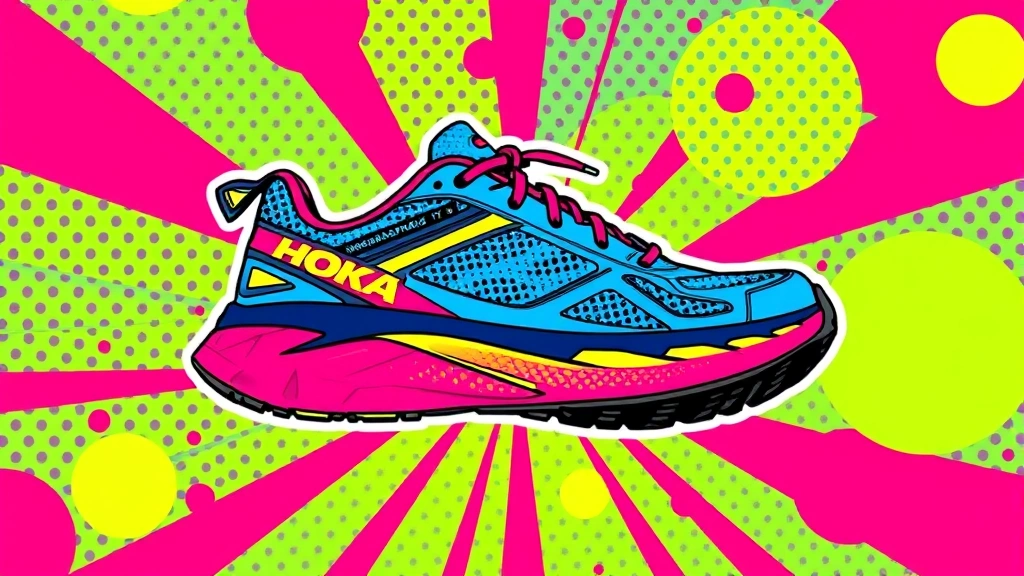
Our 2026 review breaks down Hoka's top trail running shoes. Discover which model offers the perfect blend of cushion, grip, and responsiveness for your off-road adventures.
Let's talk about hitting the trails in 2026. You're probably wondering if those chunky-looking Hoka shoes are worth the hype. I've been testing them out, and honestly, they're a game-changer for a lot of runners. We'll break down what makes them special and which models might be your perfect match.
Trail running isn't just road running on dirt. It demands a shoe that can handle roots, rocks, and sudden changes in terrain. That's where Hoka's unique approach comes in. They've built a reputation on maximalist cushioning, but they've refined it for the unpredictable nature of the trail.
### What Makes Hoka Trail Shoes Different
It's all about that balance. They pack in serious cushioning—sometimes over an inch thick in the heel—to protect your joints from relentless impact. But they pair it with a surprisingly responsive feel. You don't get that sinking, sluggish sensation. Instead, it's like a smooth, rolling motion that propels you forward. The wide platform provides incredible stability, which is a lifesaver on uneven ground. You feel secure, not wobbly, when you land on a loose rock.
Another key feature is the weight. Despite all that foam, many models come in under 10 ounces. That's light enough for long days where every ounce starts to feel like a pound after mile ten.
### Top Hoka Trail Models for 2026
With several models in the lineup, choosing can be tricky. Here’s a quick look at who each shoe is for:
- **Speedgoat 5**: The all-around superstar. It's versatile, grippy, and handles everything from smooth dirt paths to technical mountain trails. If you only buy one pair, this is a top contender.
- **Tecton X 2**: Built for speed. This one uses a carbon fiber plate for a snappy, propulsive feel on less technical trails. Think of it as your race-day shoe for non-technical ultras.
- **Mafate Speed 4**: The max-cushion workhorse. It’s for the runner who prioritizes protection above all else, perfect for pounding out long miles on rugged terrain.
- **Zinal 2**: The agile lightweight. It trims down the cushion for a more natural, ground-feel experience. Great for shorter, faster efforts or runners who dislike a tall stack height.
Trying them on is the real test. Sizing can vary slightly between models. A good rule of thumb is to go up a half size from your regular street shoes to allow for foot swelling and thick socks. The fit should be snug in the heel and midfoot, with a thumb's width of space in the toe box.
As one seasoned ultra-runner told me, *"The right trail shoe doesn't fight the terrain, it becomes a part of it."* Hoka's designs really try to embody that philosophy.
### Are They Right For You?
Think about where you run most. If your trails are relatively smooth and non-technical, you might not need the aggressive grip and rock plate of a Speedgoat. A road-to-trail shoe could suffice. But if you're regularly facing mud, sharp rocks, and steep inclines, that Hoka technology starts to pay for itself quickly.
The investment is real, with most models sitting between $140 and $180. It's not cheap, but for the mileage and protection you get, many find the value is there. They're built to last, though the super-soft foam will compress over time—typically around 300 to 500 miles depending on your weight and the surfaces you run on.
So, what's the verdict? Hoka has successfully taken its cushioning know-how and adapted it for the trail. They offer a protective, stable, and surprisingly fast ride that has won over a huge range of runners. Your feet and knees will likely thank you after a long run. The best next step is to find a local shop, try a few on, and see which one feels like an extension of your foot. The trail is calling, and now you've got the intel to answer.