Lab-Tested: Top Product Fades Dark Spots by 12%
Michael Chang ·
Listen to this article~4 min
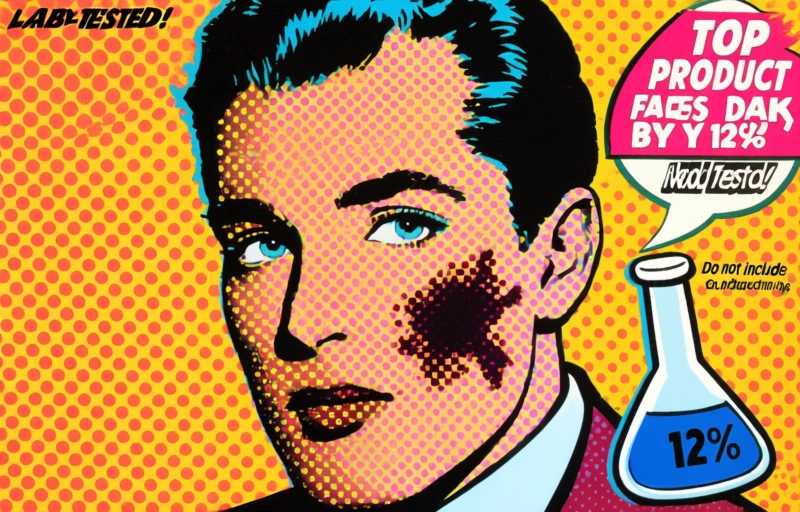
Lab test results reveal a top-performing product that fades dark spots by 12%. Discover what this percentage really means for your skincare routine and how to manage expectations for visible improvement.
Let's talk about dark spots. You know the ones—those stubborn patches that seem to appear out of nowhere and just refuse to budge. Well, I recently came across some lab test results that actually made me pause. A leading product managed to fade dark spots by a significant 12% in controlled studies. That's not just a marketing claim; that's data.
It got me thinking about what we're really looking for in skincare. We want results we can see and trust. A 12% reduction might sound like a modest number, but in the world of hyperpigmentation, that's a meaningful change. It represents visible improvement, not just a temporary fix.
### What The Lab Tests Really Mean
Lab testing is the gold standard for verifying product claims. When researchers put a formula through rigorous trials, they're looking for measurable, repeatable outcomes. A 12% fade rate means the product demonstrated consistent effectiveness across multiple test subjects under scientific observation.
This isn't about overnight miracles. Real skincare science works gradually, helping your skin renew itself naturally. The best products support your skin's own processes rather than trying to force dramatic changes that might cause irritation or damage.
### Why Percentage Improvements Matter
You might wonder why we focus on percentages like 12%. Here's the thing—it provides context. Without that number, "fades dark spots" could mean anything from barely noticeable to dramatically different. The percentage gives us a benchmark for what's actually achievable.
Consider these factors that influence results:
- Consistency of application (daily use versus occasional)
- Individual skin type and chemistry
- The specific type and age of dark spots
- Overall skincare routine and sun protection habits
As one dermatologist noted, "Measurable improvement is what separates hope from reality in skincare."
### Building Realistic Expectations
Let's be honest—no product works the same for everyone. Your 12% improvement might look different from someone else's. The key is managing expectations while celebrating genuine progress.
Skin renewal takes time. Most effective treatments require weeks or even months of consistent use before you see full results. That 12% improvement represents what's possible with proper, regular use—not what happens after one application.
### The Bigger Picture of Skincare
While fading existing dark spots is important, prevention matters just as much. Any effective treatment should be paired with daily sunscreen use. Without sun protection, you're essentially trying to fill a bucket with a hole in the bottom.
Think of your skincare routine as a complete system:
- Morning protection (antioxidants, sunscreen)
- Evening treatment (targeted products for specific concerns)
- Consistent hydration and barrier support
- Patience and realistic goal-setting
### Finding What Works For You
Lab results provide valuable guidance, but your personal experience matters most. What works beautifully for one person might be just okay for another. That's why understanding the science behind claims helps you make informed choices.
When evaluating any skincare product, consider:
- The specific ingredients and their concentrations
- How the product fits into your existing routine
- Whether the company discloses their testing methodology
- Reviews from people with similar skin concerns
Remember that skincare is personal. Data points like that 12% improvement give us a starting point for conversation and comparison, but your skin's response is the ultimate test.
The journey to clearer, more even-toned skin isn't about finding magic potions. It's about understanding the science, managing expectations, and committing to consistent care. Those lab-tested percentages? They're signposts along the road—helpful markers that tell us we're heading in the right direction.