Leapmotor B10 2026 Review: The Future of Driving?
Michael Chang ·
Listen to this article~5 min
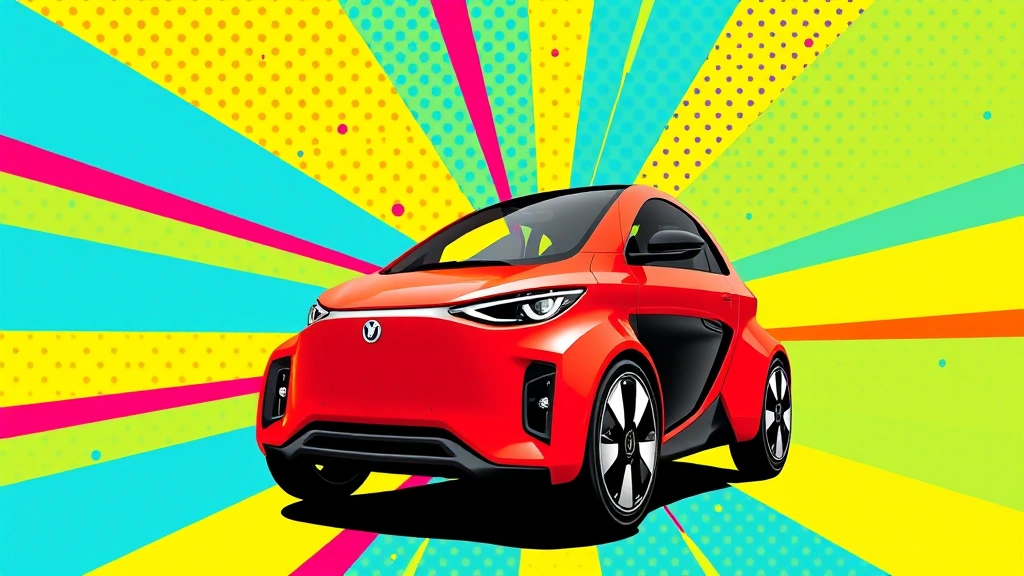
Our hands-on Leapmotor B10 2026 review explores the tech, performance, and real-world driving experience of this sleek electric vehicle. Is it the future of daily commuting?
So, you're curious about the Leapmotor B10 for 2026? You've probably heard the buzz. It's one of those cars that pops up in tech conversations, promising something different. Let's cut through the noise and talk about what this electric vehicle is really like to live with. Is it just another EV, or does it actually deliver on the hype? We spent some serious time with it to find out.
### First Impressions and Design
Walking up to the B10, the first thing you notice is how sleek it looks. It's got that modern EV silhouette—smooth lines, a closed-off front grille, and those sharp LED light signatures. It sits low and wide, giving it a planted, confident stance. The doors present flush handles that pop out as you approach, which is a neat party trick. Inside, the cabin feels more like a tech lounge than a traditional car. There's a massive central touchscreen that dominates the dashboard, and the materials are a mix of sustainable fabrics and soft-touch surfaces. It's minimalist, but in a good, uncluttered way.
### Performance and Driving Experience
Now, let's talk about the fun part: how it drives. The B10 is quick, there's no doubt about that. The instant torque from the dual electric motors launches you forward with a quiet whoosh. It's not a neck-snapping sports car feel, but more of a smooth, relentless surge of power. The handling is surprisingly agile for a car of its size. The low center of gravity from the battery pack helps it feel planted through corners. The steering is light and precise, making it easy to maneuver in the city. The ride quality is where it really shines, though. It soaks up bumps and imperfections on the road like they're not even there. It's quiet, too. The cabin insulation is excellent, making highway drives at 70 miles per hour feel serene.
### Tech and Interior Features
This is where the B10 aims to stand out. The tech suite is extensive. That giant screen runs a custom interface that's responsive and intuitive. You control almost everything through it—climate, navigation, entertainment. It supports over-the-air updates, so the car can theoretically get better over time. The driver-assist systems are comprehensive, offering adaptive cruise control and lane-keeping that work well on long highway stretches. The sound system is immersive, and the seats are both supportive and comfortable for long journeys. One thing to note: if you're not a fan of touchscreens for everything, the lack of physical buttons for basic functions might take some getting used to.
- **Powertrain:** Dual-motor all-wheel-drive electric setup
- **Estimated Range:** Around 320 miles on a full charge (based on EPA testing cycles)
- **Charging:** Supports fast charging, adding about 200 miles of range in roughly 30 minutes
- **Cargo Space:** Offers 18 cubic feet of trunk space, which is decent for the class
- **Key Tech:** Large central touchscreen, advanced driver-assistance systems (ADAS), over-the-air update capability
### The Real-World Verdict
After living with the B10, here's the honest take. It's a compelling package for someone who wants a comfortable, tech-forward daily driver. It's not trying to be the sportiest EV on the block. Instead, it focuses on being a relaxed, quiet, and incredibly easy car to drive. The range is more than sufficient for most people's needs, and the fast-charging capability eases any long-distance anxiety. The interior tech feels fresh and works well, though the heavy reliance on the screen can be a minor distraction initially. As one automotive journalist put it, *'It feels less like a car and more like a connected device you happen to travel in.'* That sums up the experience pretty well.
So, who is it for? If you're a tech professional who appreciates a clean design, a quiet cabin, and seamless connectivity, the B10 makes a strong case. It's a glimpse into where everyday electric vehicles are headed—less about raw performance, more about integrated, stress-free mobility. It's not perfect, but it gets a lot right. The future of driving might just be this calm.