Top 8 Air Purifiers for 2026: Clean Air Picks
Michael Chang ·
Listen to this article~5 min
Discover the top air purifiers for 2026 that actually work. We break down what matters for allergies, large rooms, and quiet operation—plus maintenance tips to keep your air clean year-round.
Let's be real—the air in our homes isn't always as clean as we'd like to think. Between dust, pet dander, pollen, and who-knows-what else, it's easy to feel like you're breathing in a whole ecosystem. That's where a good air purifier comes in. Think of it as a silent guardian for your lungs, working around the clock to filter out the invisible stuff you'd rather not inhale.
I've spent way too much time researching these machines, and let me tell you, the market has evolved. We're not talking about those clunky, noisy boxes from a decade ago. Today's models are smarter, quieter, and more efficient than ever. They blend into your decor while doing the heavy lifting of cleaning your air.
### What Makes a Great Air Purifier in 2026?
First things first—let's talk about what actually matters when you're shopping. It's not just about grabbing the shiniest model with the most buttons. You need to consider the size of your room. A purifier designed for a 200-square-foot bedroom won't cut it in an open-concept living area that's 500 square feet or more.
Then there's the filter technology. Most good purifiers use a HEPA filter, which captures 99.97% of particles as small as 0.3 microns. That's tiny—we're talking about things like smoke, bacteria, and viruses. Some models add carbon filters for odors and gases, which is great if you cook a lot or have pets.
Noise level matters more than you might think. You don't want a machine that sounds like a jet engine on your nightstand. Look for models with a "sleep mode" that operates at whisper-quiet levels, usually below 30 decibels. That's quieter than a typical library.
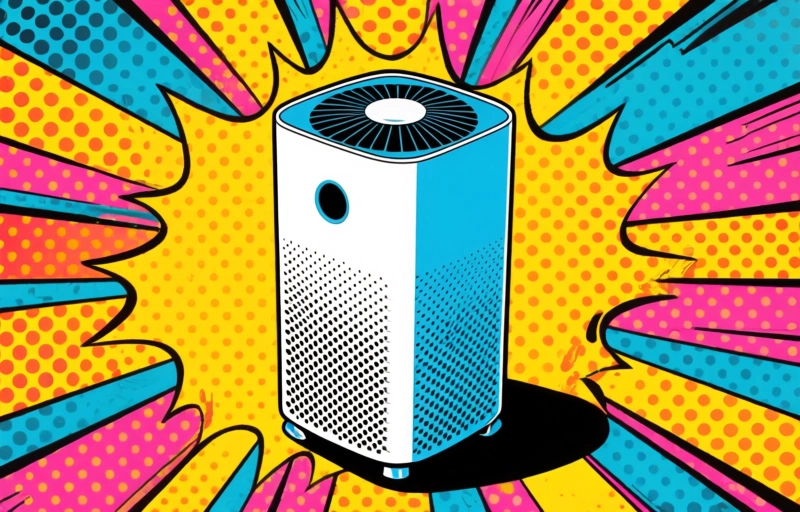
### Our Top Picks for Different Needs
Everyone's situation is different, so here's a breakdown of what works best for various scenarios:
- **For large living spaces**: Look for models with high Clean Air Delivery Rate (CADR) ratings, ideally covering 500+ square feet. These units move more air faster.
- **For allergy sufferers**: HEPA filters are non-negotiable. Some models even have specialized filters for pollen and pet dander.
- **For bedrooms**: Quiet operation is key. Also consider models with night lights you can turn off completely.
- **For smart home integration**: Many 2026 models connect to Wi-Fi and work with voice assistants like Alexa or Google Assistant.
One thing I've learned from testing these units? The best air purifier is the one you'll actually use regularly. If it's too complicated to maintain or too loud to tolerate, it'll end up collecting dust in the corner.
### Maintenance Matters More Than You Think
Here's the part nobody likes to talk about—filter replacements. They're not cheap, usually running between $50 to $150 depending on the model. Some purifiers have indicator lights that tell you when it's time for a change, which is super helpful. Others require you to keep track manually.
I recommend checking the filter every 3-6 months, depending on usage and air quality. If you have pets or live in a dusty area, you might need to change them more frequently. It's like changing the oil in your car—skip it, and the whole system suffers.
Energy efficiency is another consideration. Most modern purifiers are pretty good about this, using about as much electricity as a standard light bulb. But it's worth checking the Energy Star rating if you plan to run it 24/7.
### Finding the Right Balance
As one indoor air quality expert put it: "Clean air shouldn't come with a headache." What she meant was that the technology should work for you, not the other way around. You shouldn't need a degree in engineering to operate something that's supposed to make your life better.
The truth is, any decent air purifier is better than none at all. Even a basic model in the $150-$250 range can make a noticeable difference in air quality. The key is finding one that fits your space, your budget, and your lifestyle.
Remember—this isn't about perfection. It's about making incremental improvements to your indoor environment. Start with one room, see how it goes, and go from there. Your lungs will thank you.