Top Massage Guns for Post-Workout Recovery
Sarah Williams ·
Listen to this article~3 min
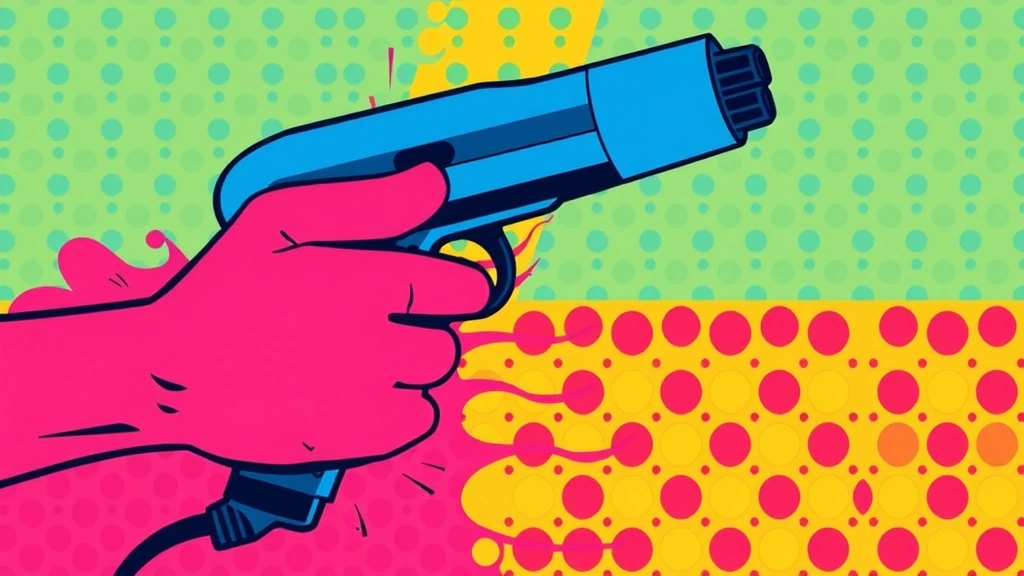
Discover the top massage guns for effective post-workout recovery. We break down key features like stall force, amplitude, and attachments to help you choose the right tool for your muscle relief needs.
Let's talk about muscle recovery. You know that feeling after a tough workout—the satisfying ache that reminds you of your effort, but also the stiffness that makes moving a chore. That's where massage guns come in. They've moved from physical therapy clinics to home gyms for good reason.
We've tested and compared the top models to help you find the right one. It's not just about power; it's about finding the tool that fits your recovery routine.
### What Makes a Great Massage Gun?
Think of a massage gun as a precision tool, not a blunt instrument. The best ones offer a range of speeds and attachments. A lower setting is perfect for gentle warm-ups, while higher intensities can dig into deep muscle tissue. The noise level matters too, especially if you'll use it at home or in shared spaces.
Portability is another key factor. Some models are compact enough to fit in a gym bag, while others are more powerful but less travel-friendly. Battery life varies widely, from 2 to 6 hours of continuous use on a single charge.
### Key Features to Consider
- **Stall Force:** This measures how much pressure the gun can handle before stopping. Look for at least 40 pounds of force for effective deep tissue work.
- **Amplitude:** This is how far the attachment head moves. A greater amplitude (around 12mm or more) allows for deeper penetration.
- **Attachments:** Different heads target different areas. A ball head is great for large muscle groups, while a bullet or fork head is ideal for targeting specific spots like your spine or forearms.
- **Weight and Ergonomics:** A gun that's too heavy becomes a workout itself. Most quality models weigh between 2 and 3 pounds.
As one fitness professional noted, "The right recovery tool can be the difference between consistent training and forced rest days."
### Finding Your Perfect Match
Your choice depends on your primary use. Are you a serious athlete dealing with intense muscle soreness? Or someone looking for general relaxation after a long day? Your needs dictate the features that matter most.
Consider how often you'll use it. If it's daily, invest in durability and battery life. If it's occasional, a more budget-friendly option might suffice. Remember, the most expensive model isn't always the best one for you.
### Integrating It Into Your Routine
Don't just use it when you're already sore. Many athletes incorporate short sessions (5-10 minutes) post-workout as part of their cool-down. It helps increase blood flow to fatigued muscles, which can speed up recovery.
Start on a low setting and gradually increase intensity. Focus on large muscle groups first, holding the gun on each area for 30-60 seconds. Avoid bony areas and joints. Listen to your body—it should feel therapeutic, not painful.
The goal is sustainable fitness. These tools help you stay active by managing the wear and tear that comes with pushing your limits. They're an investment in your body's ability to perform, recover, and do it all again tomorrow.