Top Solar Panels for 2026: A Buyer's Guide
Michael Chang ·
Listen to this article~4 min
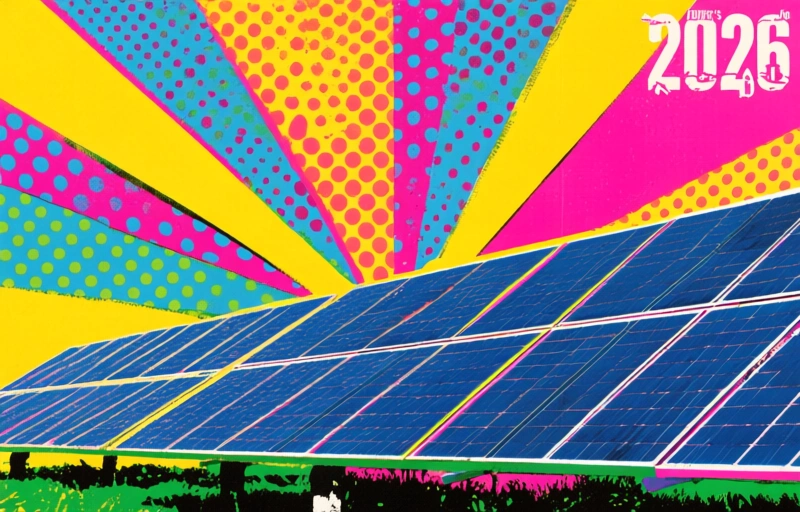
Navigate the 2026 solar panel market with confidence. Our guide breaks down efficiency, cost, warranties, and key features to help you choose the right system for your home and budget.
Thinking about going solar in 2026? You're not alone. More homeowners are making the switch every year, and the technology just keeps getting better. But with so many options out there, choosing the right panels can feel overwhelming. Don't worry, we'll break it down for you.
It's not just about picking the shiniest panel on the market. You need to consider efficiency, durability, and how it all fits with your roof and your budget. Let's walk through what really matters so you can make a confident decision.
### Understanding Solar Panel Efficiency
Efficiency tells you how much sunlight a panel can convert into usable electricity. In 2026, the best panels are pushing past 22% efficiency. That might not sound like a huge number, but it makes a real difference on your roof.
Higher efficiency means you need fewer panels to power your home. That's crucial if your roof space is limited or has tricky angles. It's like getting more miles per gallon from your car—you simply get more power from the same patch of sunlight.
### Key Features to Look For
Not all solar panels are created equal. Here are the specs you should be comparing:
- **Wattage:** Look for panels in the 400W to 450W range for residential use.
- **Temperature Coefficient:** This shows how well panels perform on hot days. A lower number (like -0.29%/°F) is better.
- **Warranty:** Top manufacturers offer 25-year product and performance warranties. That's a long-term commitment you can count on.
- **Durability:** Panels should withstand hail up to 1 inch in diameter and winds over 130 miles per hour.
### Balancing Cost and Quality
Let's talk money. Solar is a significant investment, with systems typically ranging from $15,000 to $25,000 before incentives. The federal tax credit can still knock 30% off that price, which is a massive help.
But here's the thing—the cheapest panel isn't always the best value. You're buying a system that should last 25 years or more. Spending a bit more upfront for higher efficiency and a stronger warranty often pays off in the long run with lower electric bills.
> "The right solar panel isn't just about today's price tag; it's about decades of reliable, clean energy."
### Installation and Your Local Climate
Your installer matters just as much as the equipment. A great panel installed poorly won't perform well. Look for certified installers with strong local references. They'll know how to position panels for maximum sun exposure in your specific area.
Climate plays a role too. If you live in a hotter state, that temperature coefficient we mentioned becomes extra important. In cloudier regions, you might prioritize panels that perform better in low-light conditions.
### Making Your Final Decision
Start by getting quotes from at least three reputable installers. They should provide detailed proposals showing panel models, estimated production, and total costs. Don't be shy about asking questions—this is your home and your investment.
Remember, you're not just buying hardware. You're buying decades of energy independence and a smaller carbon footprint. Take your time, do your homework, and choose a system that fits both your home and your values. The sun isn't going anywhere, and with the right panels, you'll be harnessing its power for years to come.