Vet-Approved Cat Food Brands: Expert & Owner Insights
Sarah Williams ·
Listen to this article~4 min
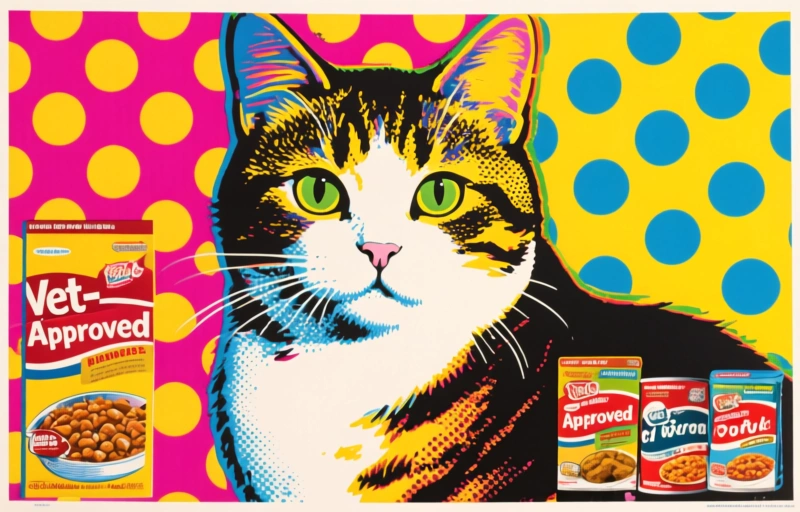
Discover which cat food brands earn top marks from both veterinary science and real owner experiences. Learn what to look for beyond the marketing to find truly nourishing food for your feline friend.
Choosing the right food for your cat can feel overwhelming. There are so many bags and cans lining the shelves, each with bold claims. You just want what's best for your furry friend, but where do you even start?
Well, let's simplify it. The best approach combines two key perspectives: the science from veterinary experts and the real-world experience from fellow cat owners. It's like getting advice from both a doctor and a trusted friend.
### Why Expert and Owner Opinions Both Matter
Veterinarians bring the clinical knowledge. They understand feline nutrition, common health issues, and what ingredients truly support a cat's biology. They look at the hard data.
But owners? They see the day-to-day reality. Does the cat actually *like* it? Does it cause any digestive upset? Is it sustainable for the household budget? This practical feedback is gold.
When these two views align on a brand, you've likely found a winner. It means the food is both nutritionally sound and practically successful in homes like yours.
### Key Factors in a Quality Cat Food
So, what should you be looking for, according to this combined wisdom? It boils down to a few core things.
First, a high-quality animal protein source should be the very first ingredient. Cats are obligate carnivores. Their bodies are designed to thrive on meat.
Next, consider completeness. The food should be formulated to meet all nutritional levels established by groups like the AAFCO for your cat's specific life stage.
Here are some other red flags and green lights that often come up:
- **Watch for excessive fillers:** Long lists of corn, wheat, or soy can dilute the nutritional value.
- **Look for named meats:** "Chicken meal" is better than vague terms like "meat by-products."
- **Consider moisture:** Many cats don't drink enough water, so wet food or a mixed diet can be crucial for hydration.
It's not just about the fanciest package. Sometimes a simpler, well-balanced recipe from a trustworthy company is the perfect fit.
### Navigating Brand Claims and Marketing
Walk down the pet food aisle and you'll see words like 'natural,' 'grain-free,' and 'holistic' everywhere. It's easy to get swayed by the marketing.
Here's a little secret: some of these terms aren't strictly regulated. A 'grain-free' diet isn't inherently better unless your cat has a specific grain allergy diagnosed by a vet. In fact, some grain-free diets have been linked to other concerns.
The focus should always return to the ingredient list and the nutritional adequacy statement. That's the unsexy part on the back of the bag that tells you what the food actually *does*.
As one vet nutritionist I spoke to put it: *"Feed the cat in front of you, not the ideal on the bag. Observe their energy, coat, and litter box habits. That's your best report card."*
That's the real goal, isn't it? A happy, healthy cat who thrives. It might take a little trial and error, but by leaning on expert guidelines and shared owner experiences, you can cut through the noise. You'll find a food that gives you peace of mind and keeps your cat purring contentedly for years to come.
Remember, any diet change should be discussed with your veterinarian, especially if your cat has existing health issues. They know your pet's unique history and can provide the best personalized guidance.